
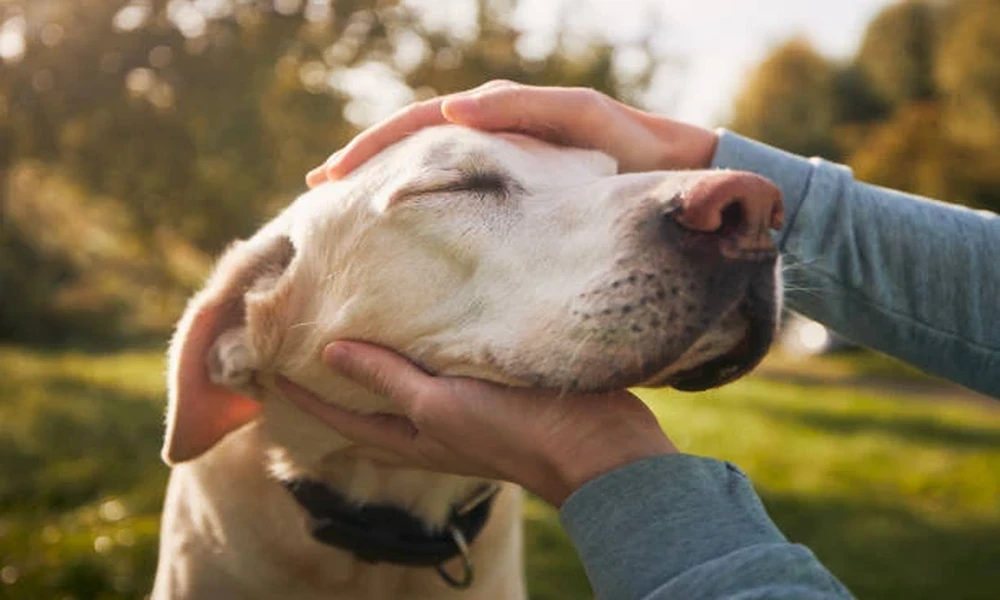
A seasonal guide to protection dogs and home security routines in winter should focus on calm preparation rather than fear. Darker evenings, wet weather, holiday visitors and more time indoors can change how a household feels. The dog may notice different patterns at the door, changes in walking routes and extra activity around the property. Owners should plan for those changes before they create confusion.
Winter often brings practical pressures. Gates may be harder to see in the dark, children come home in coats and hoods, delivery drivers arrive more frequently and guests may step inside quickly to escape bad weather. A trained dog needs clear guidance through those moments. The handler should make the environment predictable, not expect the dog to interpret every seasonal change alone.
The more important message is that seasonal security should remain welfare-led and controlled. A dog should not be encouraged to become more suspicious simply because evenings are darker or visitors are more frequent. Instead, families should review lighting, entrances, rest spaces, walking times and visitor procedures so the animal receives clear signals. TotalK9 advises owners to treat winter routines as part of responsible handling. It helps the dog remain steady while the household adapts to a busier, darker part of the year. The advice is useful because it turns seasonal concern into simple routines the handler can repeat calmly.
Review Doors and Lighting Before the Clocks Change
Shorter days make entrances feel different. A side gate that is obvious in summer may be poorly lit in winter. A family member arriving in a dark coat may look different through glass. Owners should check external lighting, door routines and garden access before darker evenings become normal. Simple property habits can reduce unnecessary arousal at the threshold.
The handler should also think about visibility from inside the home. If the dog hears movement but cannot see clearly, it may become more alert. Good lighting and predictable door procedures make the environment easier to read. The aim is not to remove every stimulus, but to prevent avoidable uncertainty.
Owners can make this easier by turning guidance into household habits. A note on the fridge, a shared visitor routine, agreed walking times or a clear rest rule can prevent drift. These small systems may look ordinary, but they protect the training from being diluted by daily life. The aim is not to make the home feel formal. It is to make the dog’s world consistent enough that the animal can relax and respond clearly.
Adapt Walks Without Losing Structure
Winter walks may happen in the dark, in rain or on busier pavements near school and work times. The dog still needs appropriate exercise, but the handler may need to adjust routes and timing. Slippery ground, poor visibility and crowded paths can all affect control. A sensible routine keeps walks calm rather than rushed.
Owners should avoid using dark walks as a way to test the dog. The purpose is exercise, relationship and obedience, not dramatic patrol behaviour. A steady lead, clear cues and awareness of other people are more useful than encouraging suspicion. If a route becomes too busy or stressful, choosing another route is responsible handling.
This is also where language matters. If family members talk as though the dog is there to intimidate, the handling often becomes tense or performative. If they talk about responsibility, suitability and calm control, the decisions usually improve. The words used inside the home shape how people behave around the dog. Measured language supports measured ownership, and it helps children understand that the animal’s role is serious without being frightening.
Prepare for Seasonal Visitors
Winter often brings more visitors, from family gatherings to tradespeople and delivery drivers. The dog should not be expected to improvise. The household needs a visitor procedure that works even when people arrive with coats, bags, umbrellas or children. That may mean settling the dog away from the door until the handler is ready.
Guests should be given simple instructions. They do not need a lecture, but they should know whether to ignore the dog, wait for the handler or avoid certain areas. Clear instructions prevent well-meaning visitors from creating excitement. The more predictable the arrival, the easier it is for the dog to remain composed.
A final check is whether the family knows when to ask for help. Owners sometimes wait because they think a question means they have failed. In reality, early advice is part of responsible management. If a routine is not working, if the dog seems unsettled or if a new household situation appears, professional guidance can prevent small uncertainty from becoming a habit. The strongest owners are usually the ones who keep learning.
Keep Rest Spaces Truly Quiet
Cold weather can push more family activity indoors. The sitting room becomes busier, children spend less time outside and guests may stay longer. The dog still needs a quiet rest space. If the animal is expected to remain in the middle of every gathering, it may become tired or over-stimulated. Rest should be planned, not left to chance.
A quiet space is also useful during holiday activity. Decorations, food, visitors and noise can create novelty. The dog should be able to withdraw and settle without being followed or repeatedly called back. This is not exclusion. It is welfare-led management that helps the animal remain clear and comfortable.
A useful test for keep rest spaces truly quiet is whether the plan still works when the home is tired, noisy or slightly rushed. Many ownership problems appear in those ordinary moments rather than in carefully prepared demonstrations. The family should imagine the same point on a wet evening, during a school run, when a visitor arrives early or when the handler is distracted. If the answer depends on everyone behaving perfectly, the plan needs simplifying. Responsible ownership is built around routines that remain clear when life is imperfect.
Think About Clothing, Noise and Novelty
Winter changes how people look and sound. Hoods, hats, scarves, bulky coats, umbrellas and boots can alter familiar silhouettes. Festive decorations, delivery packaging and outdoor noises can add novelty. A steady dog can cope with ordinary changes, but owners should introduce and manage them calmly rather than assuming nothing will be noticed.
The handler should remain relaxed and matter-of-fact. If the family reacts dramatically to every noise, the dog may learn that winter sounds are important. If the handler checks calmly, gives clear direction and returns to routine, the dog receives a better message. Household confidence is often built through small, boring repetitions.
The UK context makes think about clothing, noise and novelty practical rather than theoretical. Owners have neighbours, pavements, delivery drivers, visitors and local expectations to consider. The dog may live on private property, but the handler’s responsibility extends to every moment where another person could be affected or confused. Thinking in this grounded way helps the family avoid exaggerated claims and keeps the conversation focused on controlled, welfare-led handling. A serious plan should make sense to the household and to a cautious outside observer.
Avoid Turning Seasonal Security Into Suspicion
Darker evenings can make people feel more cautious, but owners should not encourage the dog to become suspicious of normal life. A specialist animal should be guided, not wound up. Encouraging barking at every sound or treating each passer-by as a threat can create habits that are hard to live with and unfair to the dog.
A better approach is to combine ordinary home security with calm handling. Lights, locks, gates, neighbour awareness and visitor routines all matter. The dog is part of that wider approach, but it should not be placed under constant emotional pressure. Responsible winter management is measured and practical.
Families should also ask who owns this part of the routine. If the answer is everyone, it often becomes no one. One adult may lead the dog, another may support visitor management, and children may have simple rules to follow, but the responsibility should not blur. Clear ownership prevents mixed signals and gives the dog a more predictable environment. It also makes follow-up advice easier because the professional can speak to the person who is actually handling the behaviour day after day.
Use the Season to Refresh Good Habits
Winter can be a useful time to review routines because changes are easy to notice. Owners can check whether the dog settles well, whether door procedures still work, whether walks remain calm and whether the family is following handover guidance. If something has drifted, it can be corrected with professional advice before it becomes a larger issue.
The best seasonal routine is not dramatic. It is a calm update to the way the home already works. The family keeps entrances secure, guides visitors, protects rest, adapts walks and maintains clear handling. That is how trained dogs can remain settled through winter without being asked to live in a constant state of alertness.
It helps to separate reassurance from pressure. A family may want to feel safer, but the dog should not be asked to carry every worry in the house. Good handling keeps the animal’s role clear and proportionate. The owner still uses locks, lighting, judgement, neighbour awareness and sensible routines. The dog contributes to the wider picture, but it is not turned into the only answer. That balance is healthier for the family and fairer to the animal.
Owners should also consider travel. Winter trips, overnight stays and family visits can disrupt feeding, rest and walking patterns. If the dog will travel, the handler should plan where it will settle and how unfamiliar homes will be managed. If the dog stays at home, care arrangements should follow professional guidance rather than casual assumptions.
Bad weather can also affect the owner’s mood. People rush, doors are opened quickly and wet clothing creates extra movement. A calm handler slows the moment down. That small change can prevent the dog from reading ordinary winter inconvenience as urgency. Protection dogs do best when the humans around them remain clear.
Finally, the family should protect the relationship as carefully as the training. A dog that trusts its handler is easier to guide, and a handler who understands the dog is more likely to make sensible decisions. Trust is built through calm repetition, fair boundaries, appropriate rest and a willingness to learn. When that relationship is strong, the dog is not simply present in the home. It is understood by the home, which is a much more sustainable foundation.
There is also value in reviewing the arrangement after the first week, the first month and the first change in routine. Homes evolve quickly. A school timetable changes, a new visitor becomes regular, work patterns shift or the dog settles differently from expected. A short review helps the family notice whether the original plan still works. It also creates a natural point to seek advice before habits become fixed. The review should be calm and practical, focused on what helps the dog and the people live together more clearly.
The long-term measure of success is not whether the dog creates a dramatic impression. It is whether the household feels more organised, the handler feels supported and the animal has a stable, welfare-led life. That kind of success is quieter than many buyers imagine. It is seen in calm door routines, respectful children, controlled walks, predictable rest and owners who do not exaggerate the dog’s role. Those ordinary signs are often the best evidence that the decision has been made responsibly.
Owners should keep records of the guidance they receive. Notes on commands, routines, visitor handling, exercise and follow-up support can prevent misunderstanding later. In a busy family, verbal advice is easy to remember differently. A written reference helps adults stay aligned and gives the handler something concrete to revisit when life becomes hectic. It also shows that the dog is being treated as a serious responsibility rather than an impulse purchase or a passing security idea.
Finally, the family should protect the relationship as carefully as the training. A dog that trusts its handler is easier to guide, and a handler who understands the dog is more likely to make sensible decisions. Trust is built through calm repetition, fair boundaries, appropriate rest and a willingness to learn. When that relationship is strong, the dog is not simply present in the home. It is understood by the home, which is a much more sustainable foundation.