
Key Takeaways
- A Sarasota luxury home should match your lifestyle, intended use, and maintenance expectations.
- Total ownership costs include insurance, association fees, upkeep, and reserves for major repairs.
- Flood exposure, storm protection, and insurance options deserve property-specific review.
- Inspections and condo records help reveal physical concerns, financial obligations, and use restrictions.
- Local guidance, independent research, and comparable sales support a more informed purchase.
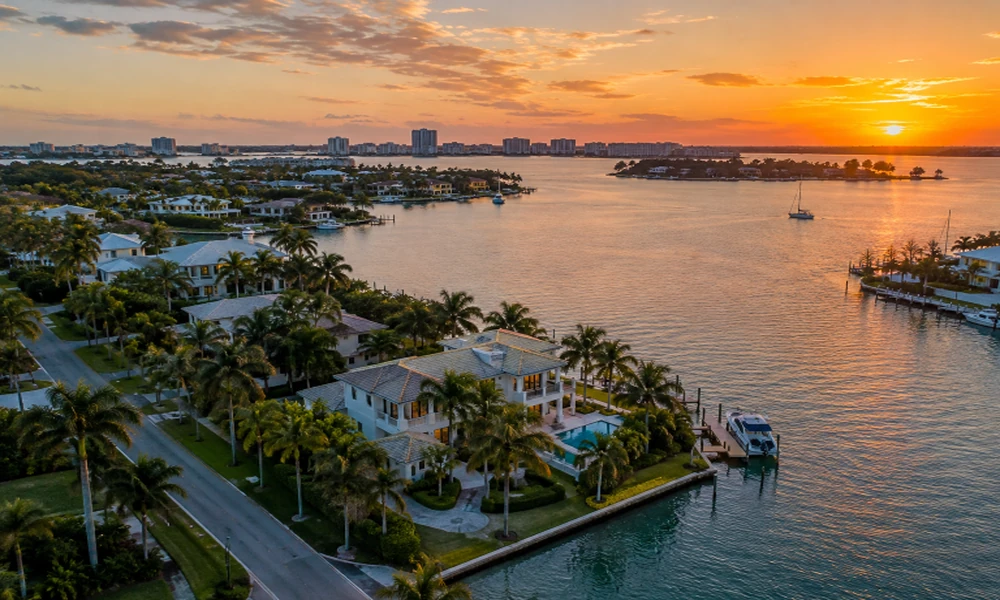
Buying a coastal luxury home in Sarasota, Florida, involves more than choosing a beautiful view. The strongest decision balances daily lifestyle, property condition, weather exposure, carrying costs, and future flexibility. Buyers exploring Sarasota Luxury Real Estate can use the Laughlin Tanner Group’s luxury-home search as a starting point for reviewing high-end homes, waterfront properties, and condominium opportunities across Sarasota and nearby communities such as Longboat Key, Siesta Key, Lido Key, and Bird Key.
Laughlin Tanner Group specializes in the Sarasota luxury market and provides local market insights and access to property searches to help buyers compare different locations and property styles. Still, every buyer should conduct independent financial, legal, inspection, and insurance due diligence before making an offer.
1. Start With Lifestyle, Not the Listing
A home should support the way you plan to spend your time in Sarasota. Consider whether you want walkable dining and arts venues, direct beach access, boating convenience, a private outdoor setting, or a lock-and-leave residence for seasonal use. A year-round resident may prioritize storage, commuting routes, and access to services, while a second-home owner may value low-maintenance living and professional property management.
For example, a buyer who wants to walk to restaurants, galleries, and the waterfront may prefer a downtown condominium over a secluded estate, even if the estate offers more land and interior space.
2. Compare Sarasota’s Coastal Property Settings
- Barrier islands: Longboat Key, Lido Key, and Siesta Key offer distinct beach-oriented settings, but buyers should consider traffic patterns, seasonal activity, storm preparation, and insurance needs.
- Waterfront neighborhoods: Bayfront and canal-front homes can offer views or boating access, but also entail responsibilities for docks, seawalls, lifts, and shoreline maintenance.
- Downtown Sarasota: Condos can place residents near cultural venues, restaurants, and services, but elevators, parking, association rules, and monthly fees should be reviewed.
- Inland luxury communities: These may offer larger lots, newer homes, gated access, golf, and community amenities, with a different maintenance and hazard profile than waterfront properties.
3. Build a True Ownership Budget
The purchase price is only the beginning. Estimate taxes, homeowners and flood insurance, association fees, utilities, landscaping, pool care, security, storm preparation, property management, and reserves for larger future repairs. Waterfront ownership may also require planning for dock, lift, seawall, or drainage work.
Annual Carrying Cost = Taxes + Insurance + Association Fees + Maintenance + Utilities + Reserves
Use conservative estimates rather than assuming every expense will remain unchanged. For condos, ask whether the current fee includes services you would otherwise pay for separately.
4. Check Flood and Storm Exposure Early
Two homes near the water can have very different flood zones, elevations, construction features, and insurance options. Before becoming attached to a property, review its flood designation through the official flood hazard information available by address, then discuss the property-specific implications with an insurance professional.
- Ask whether an elevation certificate is available.
- Confirm the roof’s age, condition, and replacement history.
- Review impact-rated windows, shutters, exterior doors, and garage openings.
- Request available records relating to prior water intrusion, storm damage, and repairs.
- Seek insurance quotes early enough for them to influence your offer strategy.
5. Look Beyond the Finishes
Luxury finishes do not replace sound infrastructure. During inspections, pay close attention to the roof, air-conditioning systems, electrical panels, plumbing materials, foundation, drainage, signs of moisture, and any smart-home or security systems. For waterfront homes, add seawalls, docks, boat lifts, retaining walls, and pool equipment to the review.
An inspection is most useful when it helps a buyer understand the remaining service life, likely maintenance needs, and issues that may require a specialist evaluation.
6. Add Condo-Specific Due Diligence
When evaluating a condominium, you are considering both the individual residence and the building’s financial and physical condition. Review the budget, reserve funding, board meeting minutes, insurance documents, rental and pet rules, renovation restrictions, pending repairs, and any special assessments.
Buyers should also ask for applicable milestone inspection and reserve-study records. Florida’s guidance on condominium inspections and reserve studies explains how structural inspections and reserve planning address major building components and anticipated repair funding.
7. Review Financial Health Before Comparing Monthly Fees
A lower association fee is not automatically a better value. Ask how much the association holds in reserves, whether owners are current on payments, whether major work is planned, and whether assessments have been discussed or approved. Roofs, elevators, plumbing, exterior finishes, windows, and structural repairs can affect future costs.
8. Compare New Construction With Resale Homes
New Construction May Offer
- Modern layouts, systems, and appliances.
- Current building standards and contemporary amenities.
- Potential warranty coverage, subject to its terms.
Resale Homes May Offer
- Established landscaping and neighborhood character.
- Immediate availability and a history of prior repairs.
- Mature trees, larger lots, or locations that are difficult to replicate.
Compare construction quality, location, total ownership cost, and flexibility for future use rather than focusing only on list price.
9. Use Local Guidance Alongside Independent Research
A knowledgeable local real estate professional can help compare recent sales, neighborhood differences, waterfront considerations, and resale competition. That advice works best when combined with independent inspections, insurance quotes, lender input, document review, and, when appropriate, legal counsel.
10. Questions to Ask Before Making an Offer
- What are the expected annual ownership costs?
- Has the property experienced water or storm damage?
- Are there open permits, unresolved code issues, or incomplete work?
- When were the roof, seawall, dock, pool equipment, and major systems updated?
- What rental, renovation, or occupancy restrictions apply?
- What comparable sales support the asking price?
- What could make the property harder to resell later?
11. Create a Buyer’s Scorecard
Score each property from one to five for lifestyle fit, location, condition, insurance outlook, privacy, maintenance demands, access to services, resale flexibility, annual cost, and personal enjoyment. A smaller residence with manageable carrying costs may be a better long-term fit than a larger home with extensive maintenance responsibilities.
12. Common Sarasota Coastal Buyer Questions
Is waterfront always better?
Not necessarily. Waterfront living can offer views, privacy, and boating opportunities, but it can also entail higher insurance, maintenance, and weather-related planning.
Should I choose a condo or a single-family home?
Condos may offer convenience and shared maintenance. Single-family homes generally provide more privacy and control, along with more direct responsibility for repairs and exterior upkeep.
How early should I get insurance quotes?
Request preliminary quotes before making an offer whenever possible, because insurance can materially affect affordability and financing.
13. Final Pre-Offer Checklist
- Confirm your intended use, budget, and ownership timeline.
- Review flood and storm exposure.
- Obtain insurance estimates and inspect major systems.
- Study comparable sales and property records.
- Review HOA or condo documents, budgets, reserves, and rules.
- Estimate maintenance and reserve needs before submitting an offer.
A coastal luxury home in Sarasota should fit your lifestyle, financial comfort level, and tolerance for maintenance responsibilities. The best purchase is not always the largest or most expensive property. It is the one that delivers lasting enjoyment with a clear understanding of ownership costs, condition, and future resale considerations.